
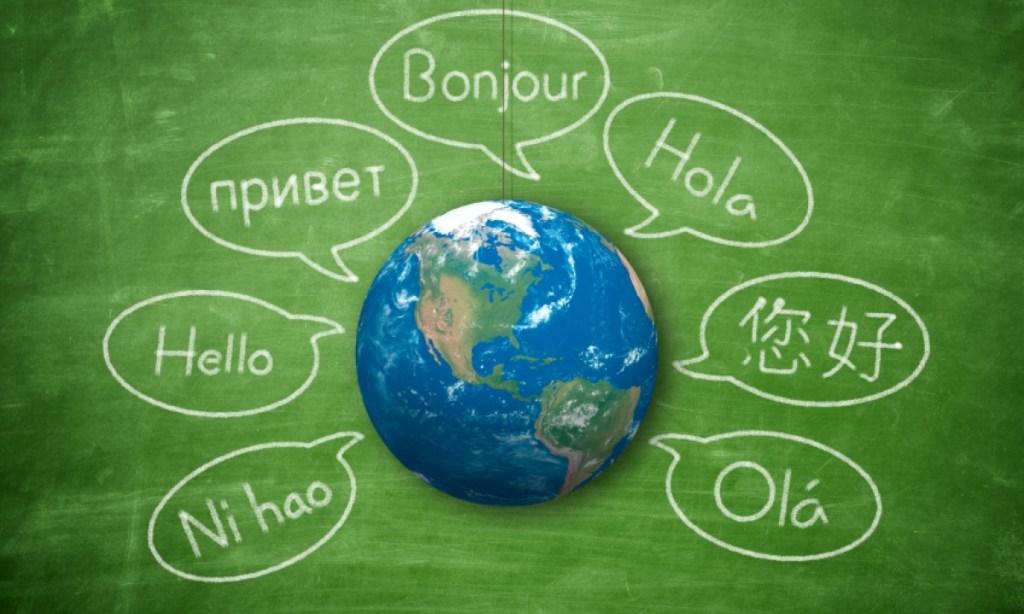
When I go into schools to talk about the joys and benefits of learning another language or two, I’m often met with a barrage of questions, such as, “why should I learn a language, when everyone speaks English?”, “why do languages have to be so hard?”, “how will learning a language make any difference to my career?”, “what if I just can’t do languages?” or “how can another language make anything better for me?” It’s easy to see why students at school would have these questions, when languages are often not a core, or particularly promoted, part of the curriculum. That’s why I go into schools to talk about this, after all. So I thought I’d use this blog post to put some of my answers out there, and hopefully turn some minds around.
First and foremost, learning a new language is not just an academic pursuit for the sake of it. It’s a gateway to a world brimming with experiences, connections and opportunities that transcend borders. You don’t need to be “good at languages” to gain a more authentic appreciation for different cultures. Whether it’s enjoying a song in Spanish, watching a TV series in Danish, savouring a meal in Marrakesh, hiking in Nepal or participating in a traditional tea ceremony in China, languages open doors to new adventures and shared human experiences.
Why learn a language? Because it lifts the veil on a whole world beyond your own. Some Spanish, Arabic, or French enables you to communicate across most continents, while Chinese, Urdu, and Swahili can offer exciting new perspectives. Whatever your passions may be, learning a language enhances your abilities and deepens your appreciation for the wider world.
There’s an undeniable thrill in using another language and being understood, whether you’re shopping in a Croatian supermarket, taking a taxi in Portugal, dining in a Chinese restaurant, or navigating an Italian airport. Another language makes a real difference, even if you stumble through mistakes. It’s about expressing yourself, making connections and broadening your horizons.
Each new language is a doorway to a new world. It’s a smile on someone’s face, an opportunity you might never have had, a handshake with someone new, and a history and culture waiting to be discovered. Learning languages takes you far beyond the classroom and your expectations, enhancing your life in countless ways.
Learning a new language allows you to see life through other people’s eyes, scale new heights and understand diverse outlooks and opinions. It opens up sports, music, films, books, food and friendships that you might otherwise never have known. Whatever you’re good at, a language takes you to the next level, offering new dimensions to your skills and interests.
No one pretends that learning a language is easy, but the rewards are worth the effort. The new perspectives, relationships, insights, unexpected situations, life stories and cultural discoveries you encounter provide endless opportunities. Whatever your interests, languages offer you more options and avenues to explore.
When you connect with a language – whether you speak, sign, or study it – you’ll reach that magic moment when you understand and are understood. It’s then that you find the best reasons to learn any language. From that moment, your relationship with the language and the culture it represents only grows stronger.
It doesn’t matter if your school offers French, German, Spanish, Italian, Mandarin, Welsh or Sign Language. Any new language gives you a fresh outlook on life, new relationships with people, and a stepping stone to other languages. It’s a celebration of diversity and human connection.
What’s the point of learning languages? If you enjoy food, music, dance, sports, books, films, art, sociology, meeting new people, understanding different views, or sharing the world, that’s the point. Life becomes richer with another language. Languages are about expressing yourself, understanding others and being understood. Even if you make the odd grammar mistake or two, you’ll still forge connections and expand your world.
Languages may start in the classroom, but they lead to lifelong friendships, unforgettable songs, recipes you can’t wait to try and films or books that change your life. Another language makes a huge difference, no matter where life takes you.
When you learn to express yourself in another language, you unlock pieces of the world, share new perspectives with new people and discover stories, traditions and opportunities you might never have imagined. Whether it’s French, Frisian, Chinese or Chechen, there will be a language that opens doors for you.
Why learn a language? To see life through other people’s eyes, to appreciate the world’s variety and to understand different ways of thinking. Languages are about making connections that cut across all subjects and fields of life. They level you up in unimaginable ways.
The reward for learning a language lies in the excitement of being understood and understanding others. So many barriers collapse when you connect with people through their language, no matter your field or interests. There’s no need to question why languages matter. They enhance your abilities, open your mind to new ways of thinking across so many disciplines, and foster understanding and communication.
So, when someone asks, “Why learn another language when everyone speaks English?”, the answer is simple: billions of people don’t speak English, and even those who do have their hearts and minds in their own languages. Connecting with hearts and minds takes you so much further, breaking down barriers and building bridges across cultures. Learning a language genuinely enriches your life and, perhaps even more importantly, the lives of those you connect with.

 Albaro Languages