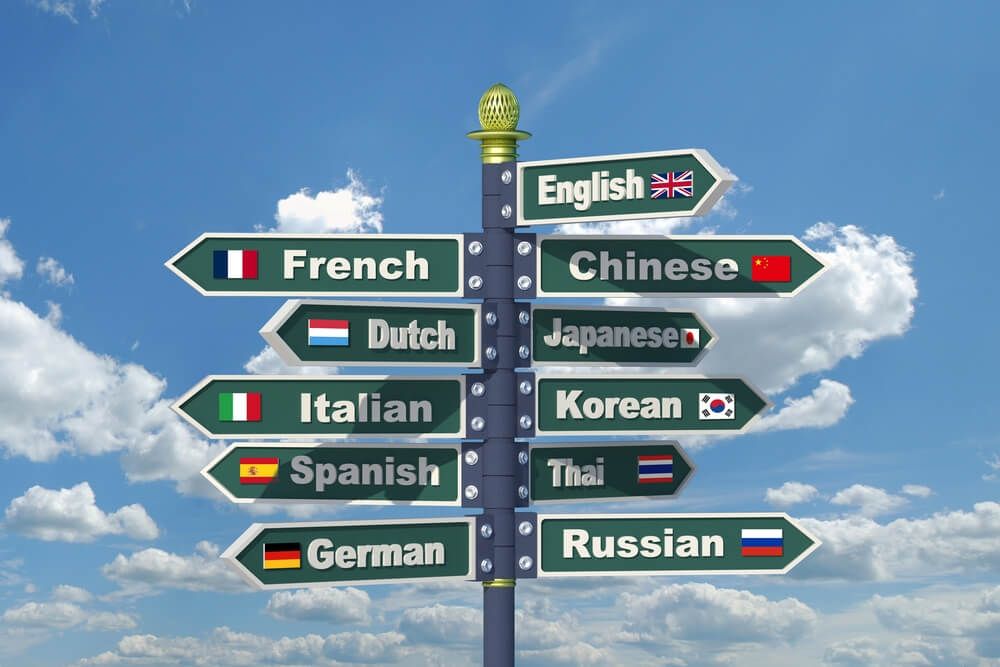
Language is perceived by many as a mere tool for communication. It’s the means by which we express thoughts, share ideas and connect with others. But language is so much more than just a medium for conversation. It’s a gateway to a whole ecosystem of people, culture, history, music, food, art, sport, film, literature, politics and the entirety of human interaction seen through a different lens. Understanding why languages matter to everyone and how they elevate our lives can transform our appreciation of a fundamental, defining human ability.
When you learn another language, you open a window to an entirely new culture. This exposure is not just about memorising words and grammar rules (as fun as that can be!), but about understanding the context in which these words are used. Each language carries the essence of the culture from which it originates. For instance, learning Japanese can introduce you to the concepts of “wabi-sabi” (侘び寂び)- finding beauty in imperfection, or “omotenashi” (御持て成し) – the spirit of selfless hospitality. Cultural nuances like these grow your understanding and appreciation of the world, encouraging greater empathy and respect for others.
Language is a living record of history. It encapsulates the stories, struggles and triumphs of a people. By learning a new language, you gain unfettered access to historical documents, literature and oral traditions that would otherwise remain inaccessible. For example, learning Spanish opens up the rich history of Latin America as well as Spain, from the ancient civilisations of the Aztecs and Incas to the cultural renaissance of the Spanish Golden Age. Understanding these historical contexts lets you see the world in a more informed and nuanced way.
Music is a universal language, but lyrics are always more meaningful in the language in which they were intended. Learning a new language allows you to fully appreciate the depth and meaning of songs in their original form. The poetry of French chansons, the passion of Italian opera and the rhythm of Brazilian samba all convey emotions and stories that are deeply tied to their linguistic roots. This deeper understanding of music broadens your cultural horizons and amplifies your emotional experiences.
Of course, food is an integral part of any culture, and language is the key to unlocking its meaning and relevance to another people. Recipes, cooking methods and the stories behind traditional dishes are often passed down through language. Learning another language enables you to explore and appreciate the culinary traditions of different cultures more authentically. Just think – understanding Italian can deepen your appreciation of the regional variations in Italian cuisine, from the rustic dishes of Tuscany to the seafood specialties of Sicily. The culinary journey stimulates your palate, while adding to your understanding of cultural diversity.
Art and literature are heartfelt expressions of human creativity, often deeply intertwined with the language and culture in which they are created. By learning another language, you gain direct access and a deeper insight to the works of great artists and writers in their original form. Reading Gabriel García Márquez in Spanish, appreciating the poetry of Rumi in Persian, or understanding the philosophical works of Confucius in Chinese creates a real connection on a much deeper level. The subtleties and nuances of their language give you a new appreciation for their genius.
Sport is a global phenomenon, and language plays a crucial role in our engagement with it. Learning another language can boost your enjoyment of international sports. Whether it’s understanding the passionate commentary of a Brazilian or Mexican football match, the strategic discussions in Japanese martial arts or the rich traditions of cricket in India, Sri Lanka or Pakistan, language gives you a more profound connection with the sports you love. Not to mention the fact that it helps you to truly communicate and bond with fellow sports enthusiasts from around the world.
Cinema is a powerful medium that cuts across boundaries, and language is the key to unlocking its full potential. Watching films in their original language (with subtitles or not) allows you to appreciate the actors’ performances, cultural references and turns of phrase more fully and naturally. Understanding the language of a film can genuinely transform your viewing experience, making the whole thing more immersive and impactful – from the intricate dialogues of French New Wave cinema to the vibrant storytelling of Bollywood, and beyond.
Language is an absolutely critical component of political discourse and international relations. Learning another language provides insights into the political climate, ideologies, trends and movements of different countries. It gives you the ability to engage with global news and political commentary from diverse perspectives, leading to a more comprehensive and empathetic understanding of international affairs. This is invaluable in our interconnected world, where political decisions in one part of the globe can have far-reaching implications for all of us.
At its core, language is about human interaction. It shapes our relationships, influences our thoughts and moulds our identities. When you learn another language, you hone your ability to connect with others on a far deeper level. You open up opportunities for really meaningful conversations, friendships and collaborations across cultural boundaries. It’s an intercultural skill that’s essential in the global village, where the whole gamut of human interactions is evident in both personal and professional settings.
Learning another language is a lifelong journey that continually enriches our lives. It challenges us to step out of our comfort zones, wholeheartedly embrace new ways of thinking, and appreciate the diversity of human experience. This linguistic and cultural adventure encourages curiosity, resilience and a love for learning. It reminds us that there is always more to discover, more to understand and more to appreciate about the world and the hugely diverse people in it.
Language learning is a profound and multifaceted endeavour that means so much more than mere communication. It’s a bridge to diverse cultures, a repository of history, a key to understanding music, food, art, sports, film, literature and politics, and a tool for boosting human interaction. It benefits our personal and professional lives and opens up new, often unforeseen, opportunities. Most importantly, it underscores the shared humanity that connects us all.
I would argue that, in the modern world, the ability to speak and understand more than one language is not just an asset but a necessity. It equips you to navigate the complexities of our global society, build meaningful relationships across cultural divides and contribute to a more inclusive and understanding world. So, whether you’re considering learning a new language for travel, work or just for the sheer fun of it, remember that you’re embarking on a journey that offers countless rewards to you and those you interact with. Enjoy the journey, and open the door to a literal world of possibilities.

 Albaro Languages