
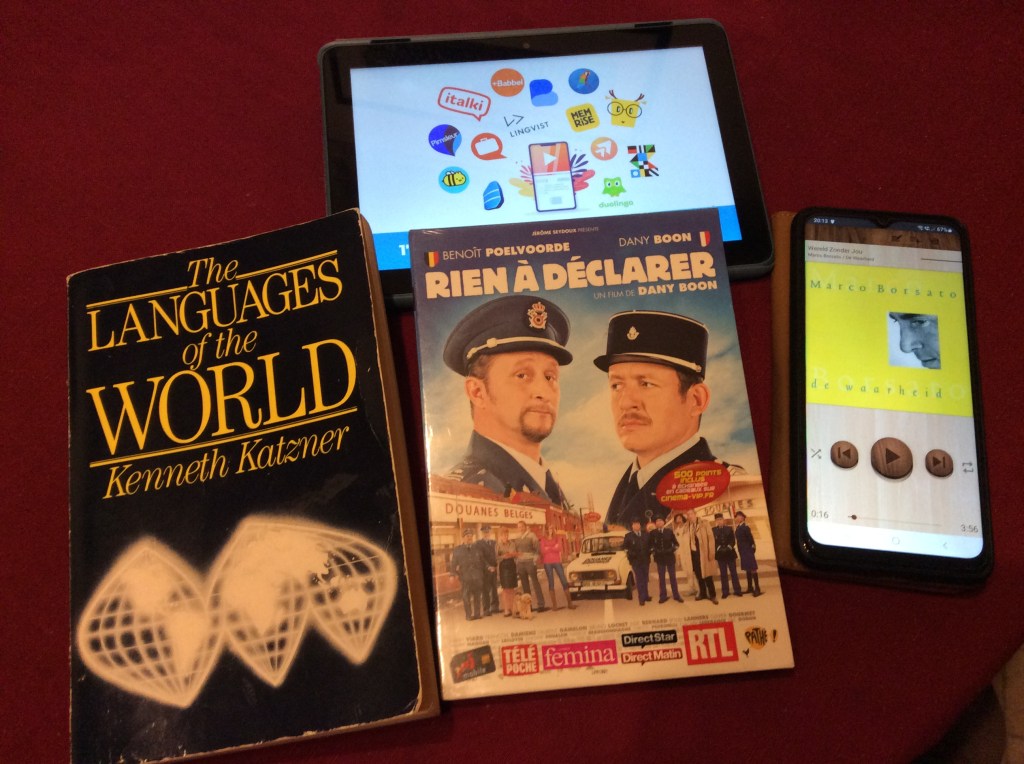
In a world that thrives on diversity and interconnectedness, the ability to speak multiple languages has become more than just a skill – it’s a gateway to a universe of possibilities. Whether your passion lies in business, history, music, art, politics, sociology, scientific research or pretty well anywhere that humanity touches, learning a new language can be a transformative and enriching experience that transcends boundaries. In this blog, I want to explore why language learning is for everyone, offering a host of benefits that extend far beyond mere communication.
In the globalised landscape of today’s business world, language proficiency is a key asset. Knowing a second language opens doors to international markets, fosters cross-cultural communication and establishes a real rapport with diverse stakeholders. Imagine sealing a deal in the native language of your client or negotiating terms with a supplier in their mother tongue. The linguistic connection can bridge gaps, build trust and set you apart in a competitive business environment.
History, like any great story, is best told in its original language. Learning the language of historical documents, ancient texts and classical literature allows you to delve into the nuances of cultures long past. It’s a journey that unveils hidden layers, offering a more profound understanding of the events that shaped our world. Whether it’s reading La Chanson de Roland in Old French, Beowulf in Old English, ‘The Eddas’ in Old Norse, the Shahnameh (شاهنامه) in Old Persian or exploring the intricacies of Latin in historical manuscripts, language learning is a time machine that transports you to different eras.
Music in itself transcends linguistic boundaries, but understanding lyrics adds a deeper layer of appreciation. Whether you’re into the passionate lyrics of a Spanish ballad, the rhythmic poetry of French chansons, or the intricate wordplay of hip-hop in English, knowing the language enriches your musical experience. Dive into the lyrics, understand the cultural references and really feel the emotions conveyed in the language of the song. It’s not just about hearing; it’s about truly listening.
Art, in its various forms, is a universal language. However, many masterpieces come alive when you know something of the artist’s language. Learning the language of art history, understanding the subtle nuances in poetry or even deciphering the messages in graffiti (think vernacular Latin from ancient Pompeii) can elevate your artistic journey. A knowledge of the language allows you to engage with art in a more profound and meaningful way, unlocking hidden stories and conveying a deeper appreciation for creative expression.
Politics is a realm where words wield immense power. Understanding the language of political discourse allows you to grasp the subtleties of policy debates, diplomatic negotiations and the rhetoric that shapes societies. Whether you aspire to be an informed citizen engaging in political discussions or envision a career in international relations or diplomacy, language proficiency empowers you to navigate the complex landscape of negotiation, political ideologies and global affairs.
Sociology, the study of human society, becomes even more intriguing when approached through the lens of language. Learning the languages of different communities provides insight into their cultural fabric, social norms and collective identity. It opens avenues for cross-cultural dialogue, breaking down barriers and fostering a deeper appreciation for diversity. Language learning becomes a tool for building bridges between communities, creating a more interconnected and, hopefully, harmonious world.
In the realm of scientific research, language proficiency can be a catalyst for groundbreaking discoveries. Accessing a wider range of research papers, collaborating with international peers and presenting findings at global conferences are all the better for a multilingual mindset. The scientific community is a global network, after all, and language skills facilitate seamless communication and collaboration, accelerating the pace of innovation and discovery.
Now that we’ve explored some of the myriad ways in which language learning enhances diverse fields of interest, I have to address the widespread misconception that acquiring a new language is an insurmountable challenge. So in the hope of persuading you, here are some tips to make language learning accessible to everyone:
1. Start with your passion:
Tailor your language learning journey to align with your interests. If you’re a history buff, choose a language with a rich historical context. If music is your passion, learn the language of a genre you love. If you’ve always been fascinated by a particular country or people, learn their language. You’ll be instantly motivated.
2. Embrace technology:
Embrace language learning apps, online courses and immersive programs that fit your schedule. Technology has revolutionised language education, making it more immediate, interactive, engaging and personalised. It can suit those who don’t necessarily thrive in a classroom environment.
3. Immerse yourself:
Immerse yourself in the language, either by visiting a country where it’s spoken, or if not that, by watching movies, listening to music, reading books and connecting with native speakers. Language learning is not confined to textbooks; real-world exposure accelerates proficiency and brings the language to life for you.
4. Consistency is key:
Dedicate regular, consistent time to language learning. It doesn’t have to be hours on end (unless you want to!). Even short daily sessions can yield significant progress over time. Consistency builds a strong foundation and allows you to look forward to that next session, discovering a little more.
5. Celebrate milestones:
Acknowledge and celebrate small victories along the way. Whether it’s mastering a word with difficult pronunciation, putting your first sentence together, making someone smile or successfully holding a conversation, every achievement brings you closer to competence and, one day, fluency.
As you embark on the journey of learning a new language, you’ll discover that the benefits extend far beyond all the practical advantages and applications. Language learning is a personal and intellectual adventure that broadens your perspective, enhances cognitive abilities and connects you with people and cultures in ways you may never have imagined.
In essence, learning another language is not just learning another skill. It’s the key to exploring the richness and variety of humanity from multiple perspectives. It’s realising that multilingualism is normal. So, whatever your passion, wherever life takes you, grab hold of the boundless opportunities that open up when you embrace the universal appeal of language learning. It’s a journey worth taking, one that enriches your mind, broadens your horizons, adds strings to your bow and colour to your life.

 Albaro Languages