When it comes to languages, French stands as a gateway to an array of fascinating worlds, each brimming with unique traditions, cultures and people. Beyond its linguistic beauty, French is the key to unlocking an enriched travel experience, facilitating connections across continents and delving into diverse fields from art to diplomacy, gastronomy to music. In this blog, I aim to take you on a journey exploring the myriad ways in which your school French can broaden your mind and open doors to a world of opportunities.
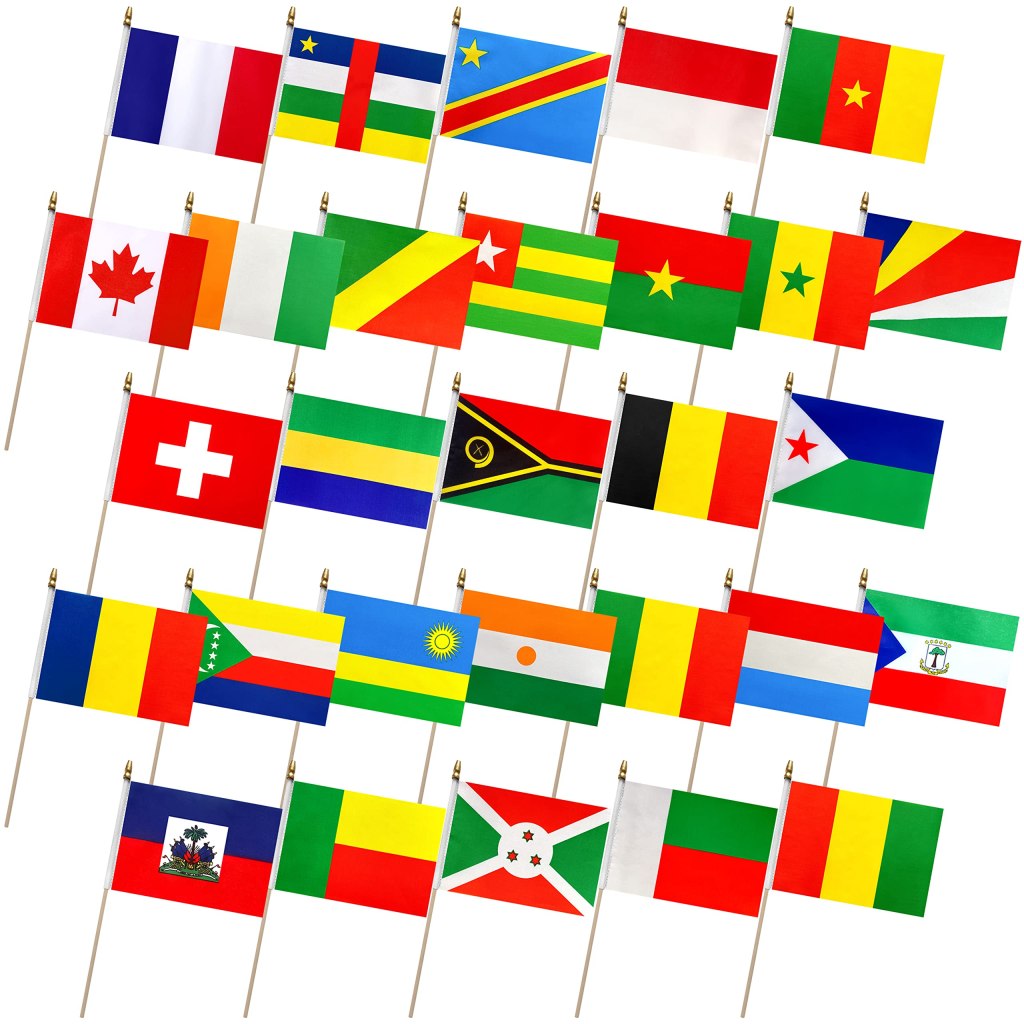
Imagine strolling through the romantic streets of Paris, savouring croissants and sipping café au lait at a riverside café. Now, picture yourself trekking through the Swiss Alps, revelling in breathtaking landscapes. With French as your companion, your travels become immersive adventures. From France to Switzerland, Cameroon to Gabon, Canada to the Seychelles, speaking French transcends borders. You connect with locals on a deeper level, uncovering hidden gems and experiencing cultures authentically.Learning French isn’t just about learning one language; it’s about opening doors to a multitude of others. The Romance languages, including Spanish, Italian, Portuguese, Catalan and Romanian, share a linguistic heritage with French. Each of them has their origins in Vulgar Latin (the everyday, spoken Latin of the people, as opposed to the educated, codified language of literature and administration). Once you grasp the nuances of French, you’ll find that grasping the basics of these languages requires much less effort. Cognates, similar grammatical structures and shared vocabulary become your allies as you expand your linguistic and cultural repertoire.
French is intricately connected to Spanish, Italian, Romanian, Portuguese and other Romance languages through a shared ancestry rooted in that everyday Latin spoken during the Roman Empire. This linguistic evolution is evident through striking similarities in vocabulary and grammar. For instance, the French word ‘chaleur’, meaning “heat” corresponds to Spanish ‘calor,’ both originating from the Latin ‘calore(m).’ ‘Homme’ in French is akin to Romanian ‘om’ and Italian ‘uomo,’ all deriving from Latin ‘homine(m.)’ Days of the week also exemplify this connection, with French ‘vendredi,’ Italian ‘venerdì,’ and Romansh ‘venderdi’ all stemming from the Latin ‘Veneris dies’ (Day of Venus). Even the word for ‘window’ reveals the family ties, with French ‘fenêtre’ resembling Italian ‘finestra’ and Romanian ‘fereastră,’ all tracing their origins back to the Latin ‘fenestra.’
Studying French enhances your understanding of the English language as well. Many English words have their roots in French, making vocabulary acquisition a fun and more informed pursuit. For instance, “restaurant,” “ballet,” “parliament,” and “chamber” all trace their origins back to French. French often gives us the ‘higher-register’ equivalent to a word of Germanic origin. Think of “begin” and “commence” (German beginnen, French commencer), “halt” and “cease” (German halten, French cesser) or “hindrance” and “obstacle” (German Hindernis, French obstacle). By delving into French, you’re also delving into the etymology of English, making you a more adept communicator and a wiser wordsmith.
French isn’t just a language; it’s a cultural treasure trove. The realms of art, music, history, food, and politics unravel with every word learned. When you speak French, you’re not just reciting words and phrases; you’re participating in a centuries-old cultural conversation.
For example, French art has left an indelible mark on the world. From the paintings of Monet to the sculptures of Rodin, the French art scene is a rich tapestry. By understanding the language, you gain insight into the artists’ intentions, the historical context, and the emotions evoked in their works. French-language music transcends borders with iconic and popular artists ranging from Édith Piaf and Jacques Brel to Céline Dion and Lara Fabian. Really ‘feeling’ the lyrics and understanding the cultural references enriches your musical experience.
French history is intertwined with world history. From the French Revolution to the Napoleonic era, French history shapes modern Europe and touches the wider world. Learning French history through the medium of French gives you far greater access to historical records and allows you to delve deeper into these pivotal moments. In the modern world, French is a key language of diplomacy (one of the three “procedural” languages of the European Commission), spoken at international forums and used in countless diplomatic relations. Proficiency in French opens doors to opportunities in international relations and diplomacy.
Of course, no précis of French culture would be complete without reference to world-renowned French cuisine. Some of the most popular examples of French cuisine include delicate buttery croissants, savoury coq au vin, escargots served with garlic and herbs and the iconic baguette. French culture and food are inseparable; dining is a cherished ritual, a source of pride and a way of life. Understanding the French language enhances the experience of French gastronomy by allowing you to engage with locals and gain insight into the subtleties of French culinary traditions, not to mention being able to read the menu!
The influence of French extends far beyond its linguistic borders. It is one of the official languages of international organisations like the United Nations, the European Union, and the International Red Cross. By speaking French, you become part of a global conversation that transcends borders and unites diverse cultures.
The linguistic journey doesn’t stop with Romance languages. French can be a stepping stone to languages in entirely different language families. The process of language learning becomes easier once you’ve acquired the skills and confidence from learning French. Building on your French, you may find yourself drawn to German’s precision, Russian’s complexity, Arabic’s rich history, or Mandarin’s influence on the global stage.
In conclusion, school French is not just another subject; it’s an invitation to explore the world in all its diversity. It’s a passport to cultures, traditions and people that enrich your life beyond measure. It’s a language that paves the way for adventure, learning and connection, propelling you towards a future with a plethora of possibilities. So, embrace the beauty of French and let it take you on a wide-ranging journey through the rich landscape of a global society.

 Albaro Languages